
Tracing Former Owners of a Lewis County Property
Treat the sources here as a map. They are not a promise that every era has been digitized. The first searchable year is not stated, and neither is a cutoff for online images. Start with the deed you already know. If a result goes missing or points to an older volume, the Clerk can explain how to keep going.
| Source | Years It Covers | Where Held | What It Shows |
|---|---|---|---|
| County Clerk land-record inquiry | Online coverage dates not confirmed | County inquiry portal | Index leads to recorded instruments |
| Clerk's deed books and indexes | Ask the Clerk for the relevant period | County Clerk's office | Older recorded transfers and references |
| Recorded plats | Coverage varies by filing | County Clerk land records | Mapped legal descriptions and divisions |
| Assessor tax maps and rolls | Current annual assessment data | Lewis County Assessor | Parcel and owner context, not title chain |
A recent transfer begins with the online deed index and the current parcel card. For an older gap, ask the Clerk for help. Request the grantor or grantee index and the deed-book reference. A tax roll adds historical owner context where one exists. It never replaces the recorded instrument itself. A plat helps you read a legal description. But it will not show every transfer on its own.
Walking the Lewis County Deed Chain Backward
The grantor-grantee method starts with a deed that names today's owner as grantee. Read the grantor's name, the prior instrument reference, and the property description. Then search that grantor as an earlier grantee. Lewis County's inquiry portal may help you find the index entry, though its exact fields and online cutoff are not published. Keep every document reference. Verify each instrument instead of trusting a name-only sequence.
- Identify the current owner and search the Clerk's index as a grantee.
- Compare likely results by recording date and legal description; open the deed when available.
- Record the grantor and any cited prior deed, then search that party as a grantee.
- When online results stop, ask the Clerk which index and deed-book volumes cover the missing date range.
- Grantor / grantee
- The parties named as conveying and receiving an interest in the instrument.
- Chain of title
- The sequence of recorded transfers for the interest being researched.
- Legal description
- The deed's description of the land, often more stable than a street address.
How Far Back Lewis County Ownership Records Go
No verified online cutoff year exists in the county materials. No record-loss date has been established. A missing result therefore proves nothing. The deed may sit under a name variation. It may also sit under a different document type, a prior book-and-page reference, or a period the inquiry system never digitized. Ask the County Clerk at 304-269-8215 which older index or volume fits. You can also ask whether probate files require an appointment.
Use records responsibly. Former-owner research can support property history or title questions. Do not use past-owner information to track, harass, or intrude on a living person; a record trail is not permission to contact or visit someone.
Search Lewis County's Recorded Land Index by Name
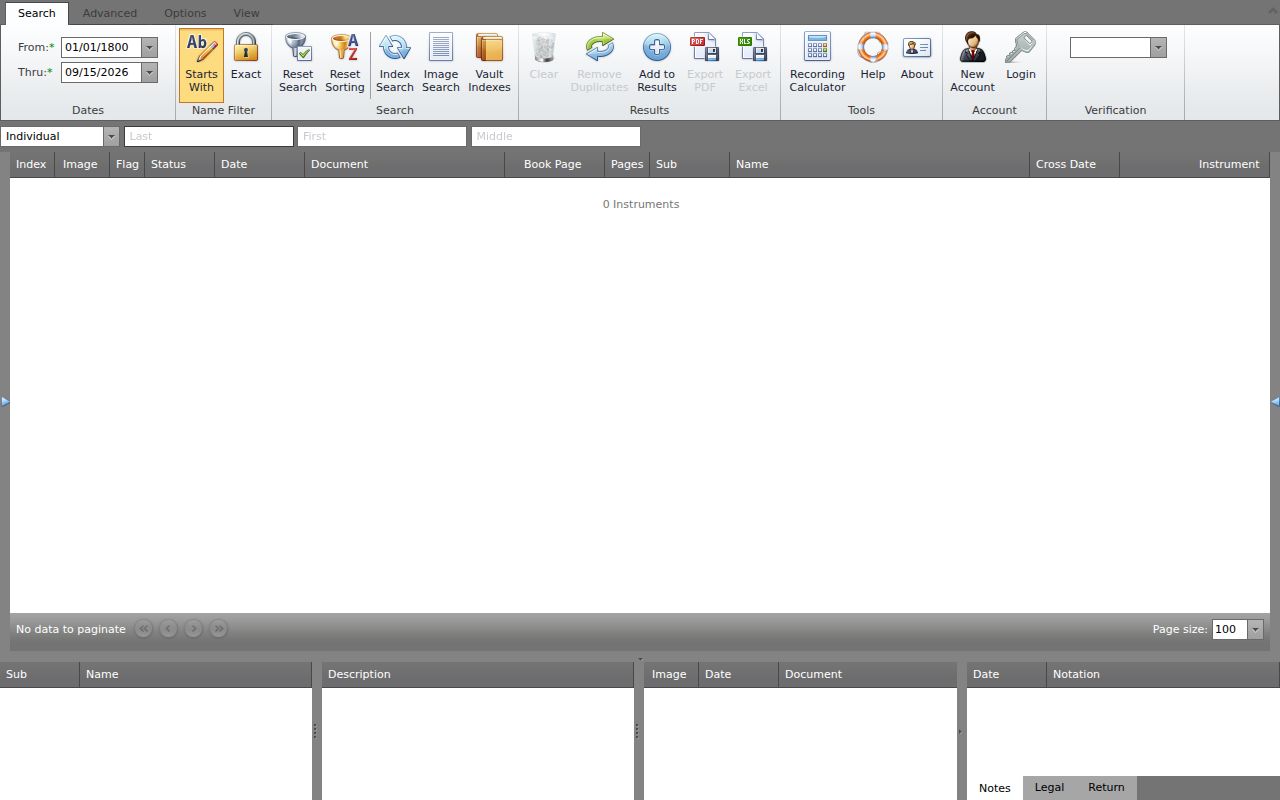
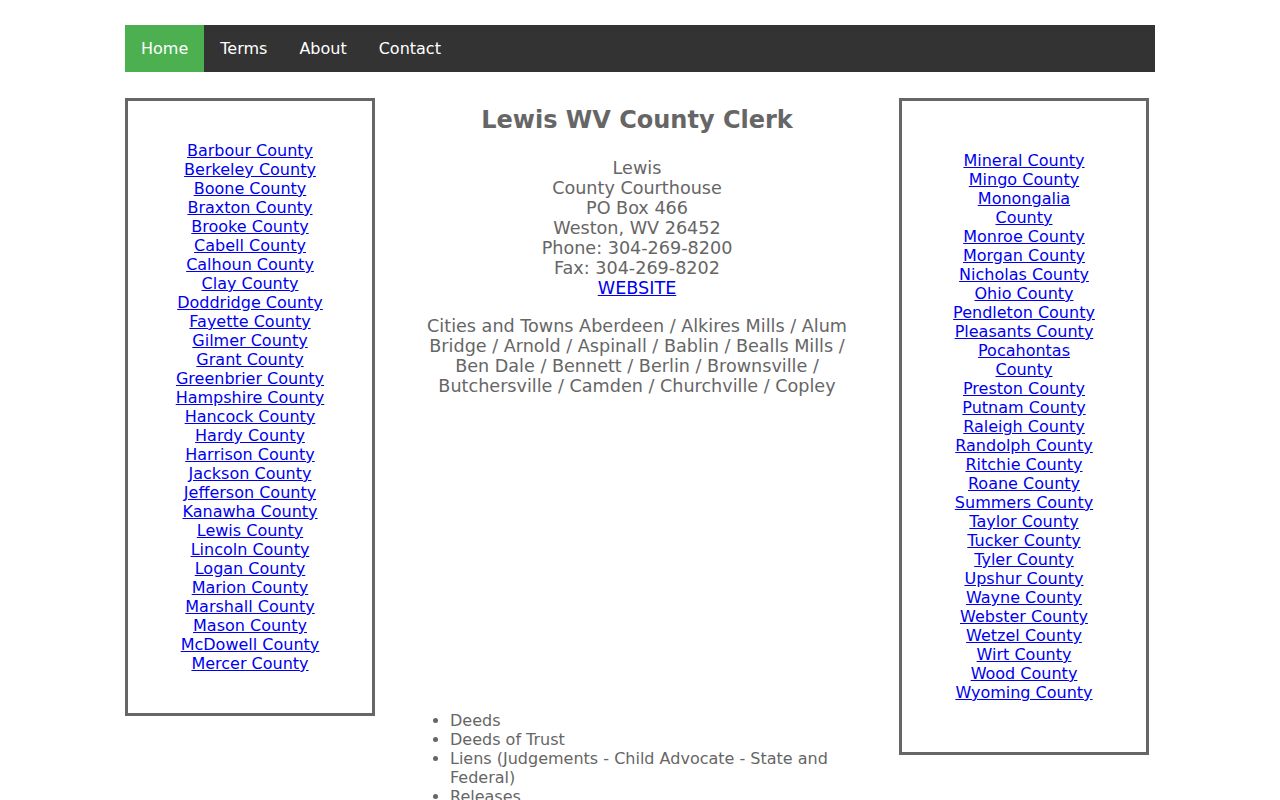
The Clerk's inquiry portal is the online starting point for recorded land instruments. Its complete search controls, coverage years, and image policy are not documented. So record what the screen returns and call the Clerk when a chain stops. Search both the current and the prior owner as grantor and as grantee where it fits. A name may carry initials. It may also list an estate or a trustee capacity. Those roles never appear in the assessor display. Lewis County lists its land-record categories on a separate public page.
Open the Lewis County online inquiry portal as the starting place for a recorded deed search.
Review the Lewis County land-record categories when choosing which instrument family to search.
Use Lewis County Plats to Interpret Older Descriptions
Older deeds may describe land by survey or by adjoining owners. They may use a subdivision lot. Some simply point to an earlier conveyance. A recorded plat can put those words on a map. It also shows how a tract was divided over time. The County Clerk's land-record categories include plats. But a plat never replaces the deed sequence that actually transferred ownership. Note its date, parties, filing reference, and any lot or parcel label before you return to the chain.
Street addresses and modern parcel numbers may simply not have existed when an older instrument was written. Use the description and references inside the deed to tie historical land to current tax mapping. If the connection stays uncertain, ask the Clerk or a title professional rather than trusting a visual resemblance.
Use Lewis County Assessment History as Supporting Context
The Assessor's tax roll and map help orient a search. They show parcel identifiers, a current owner field, and surface location. These records exist for assessment, not as a full title chronology. The county's viewer updates attributes once a year. A parcel transfer may wait for a later map cycle. Treat an assessor owner name as a lead. Verify each past transfer in the Clerk's recorded instruments. Do you want a historical tax roll? Ask the Assessor which years and formats are kept. No county library or archive series for older tax lists has been established. Avoid sending researchers to an unverified repository.
Separate Lewis County Deeds From Vital and Probate Records
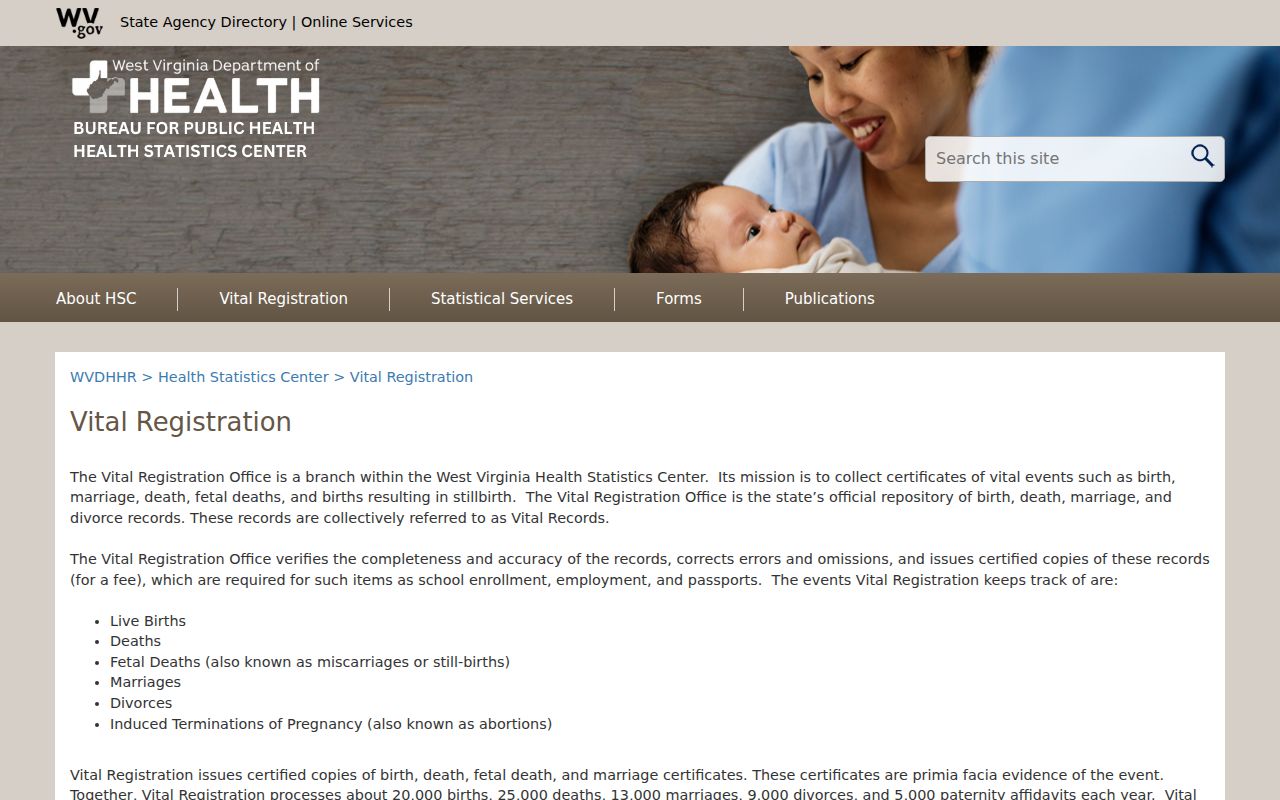
Vital records can establish a life event, but they do not convey real estate. West Virginia's state repository generally opens birth records after 100 years. Death, marriage, and divorce records open after 50 years. Earlier records stay restricted, and access eligibility and fees should be confirmed with the state. Lewis County probate records and executor deeds may explain an estate transfer. Probate files are handled by appointment. The deed itself confirms the conveyance.
See the West Virginia Vital Registration page for state vital-record services and access information.
Request Older Lewis County Deed Records
Need an older volume? Contact the Lewis County Clerk. Give staff the property location, the names on the last known deed, an approximate date range, and any reference you already found. Ask whether they can pinpoint a relevant deed-book index. Ask what appointment or in-person steps apply, and how to order plain or certified copies. The office publishes no current fee schedule or mail procedure online. The full digitization history is not stated anywhere in its materials.
West Virginia FOIA sets the timing. An agency must respond as soon as practicable and no later than five days, excluding weekends and legal holidays. The law permits actual reproduction costs. It does not allow search or retrieval labor fees. A focused request for specific existing instruments works far better than asking the Clerk to certify a title conclusion. No records office will do that.
One piece of historical context deserves mention. A 2014 state Attorney General opinion described a proposed private-funding arrangement for digitizing Lewis County property and mineral documents under Clerk oversight, with checks for missing pages and equal public access. It explains why digitization was discussed. It promises nothing, though, about a current online date range or a specific old deed image. If your chain reaches that era, ask the Clerk which volumes are indexed. Ask whether a paper record or microfilm reference exists. Then record the answer, and note the exact gap, in your search notes.
Keep a Lewis County Property History Evidence Trail
Build the trail one owner at a time. For each former owner, keep the deed reference, recording date, grantor, grantee, legal description, and the prior instrument the deed cites. Mark gaps where only an index entry was available or a document image went unreviewed. Keep confirmed deeds separate from assessor names, tax bills, court references, and historical context. That keeps the whole chain transparent.
A name sequence alone is not a title opinion. Separate tracts or mineral interests can sit inside one Lewis County parcel, and interests can be reserved or conveyed without changing the surface owner of record. For the mechanics of finding the county land index, see the Lewis County deed records guide, then confirm every material link with the Clerk or a qualified title professional.